
ARIES four-shaft shredder: two-stage shredding in a single machine

ARIES 160/900 four-shaft shredder used in the production of briquettes from aluminium scrap
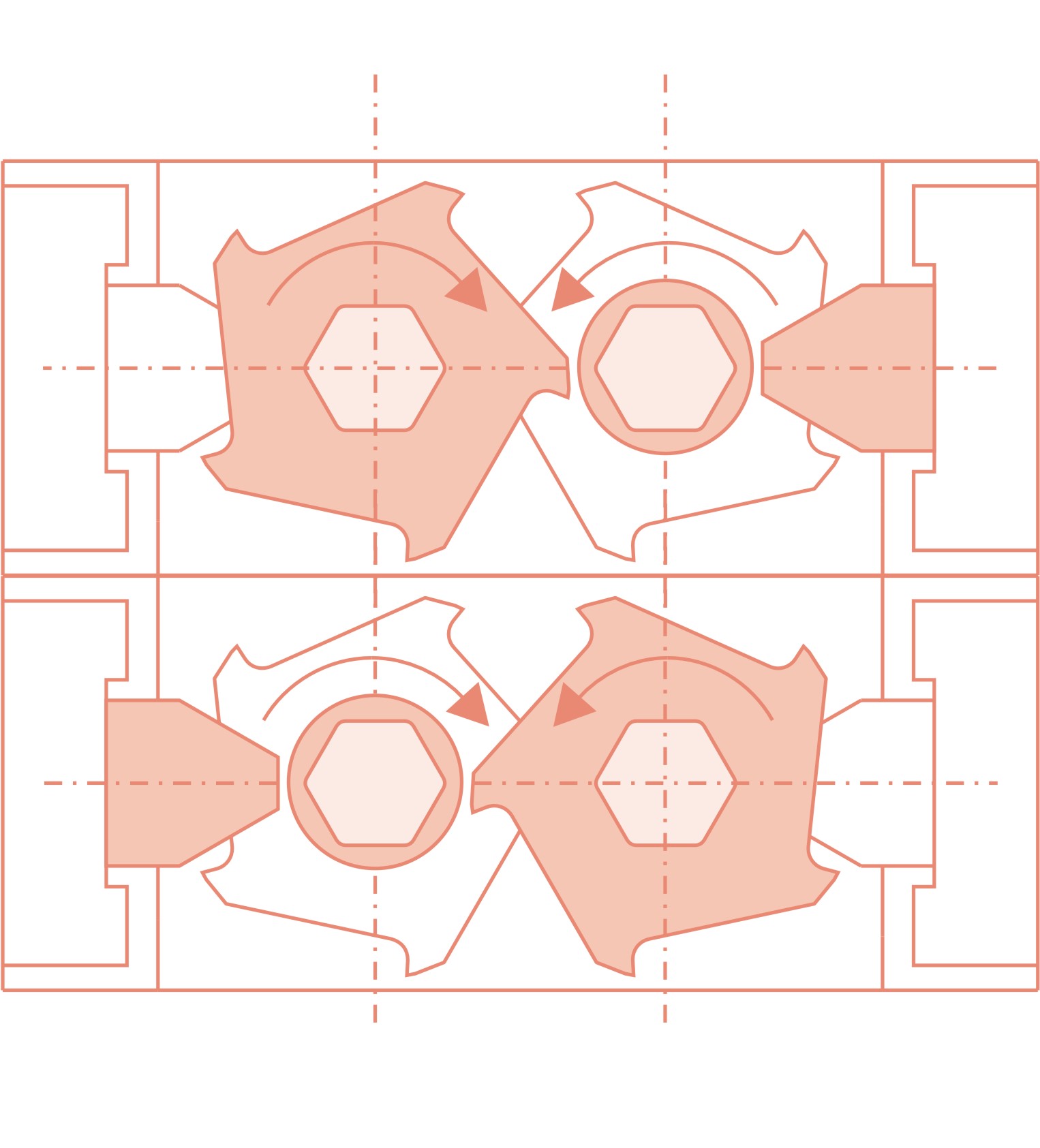
Schematic arrangement of the upper and lower shredding stages
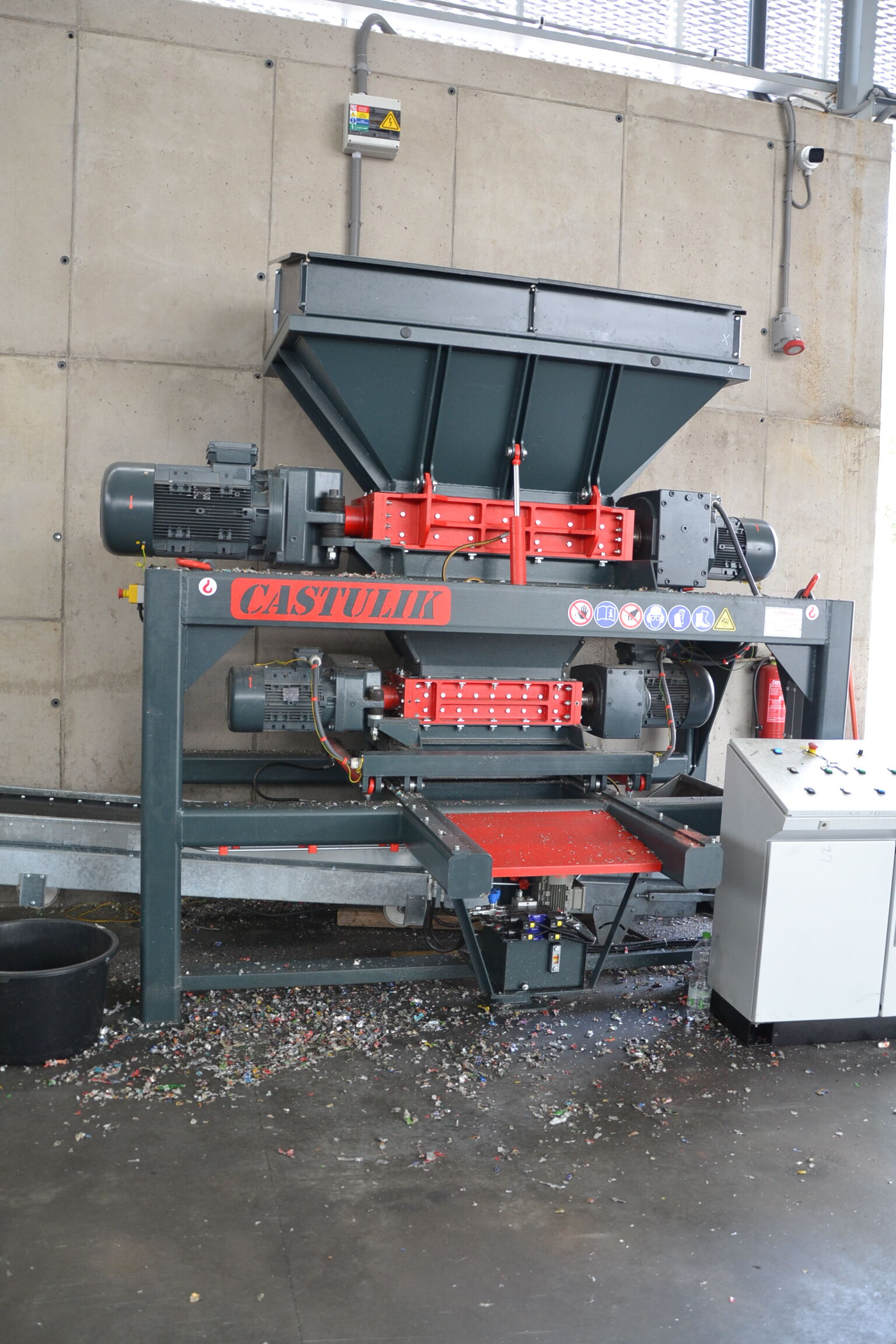
ARIES 160/900 with a tilting feed hopper and sliding lower shredding stage
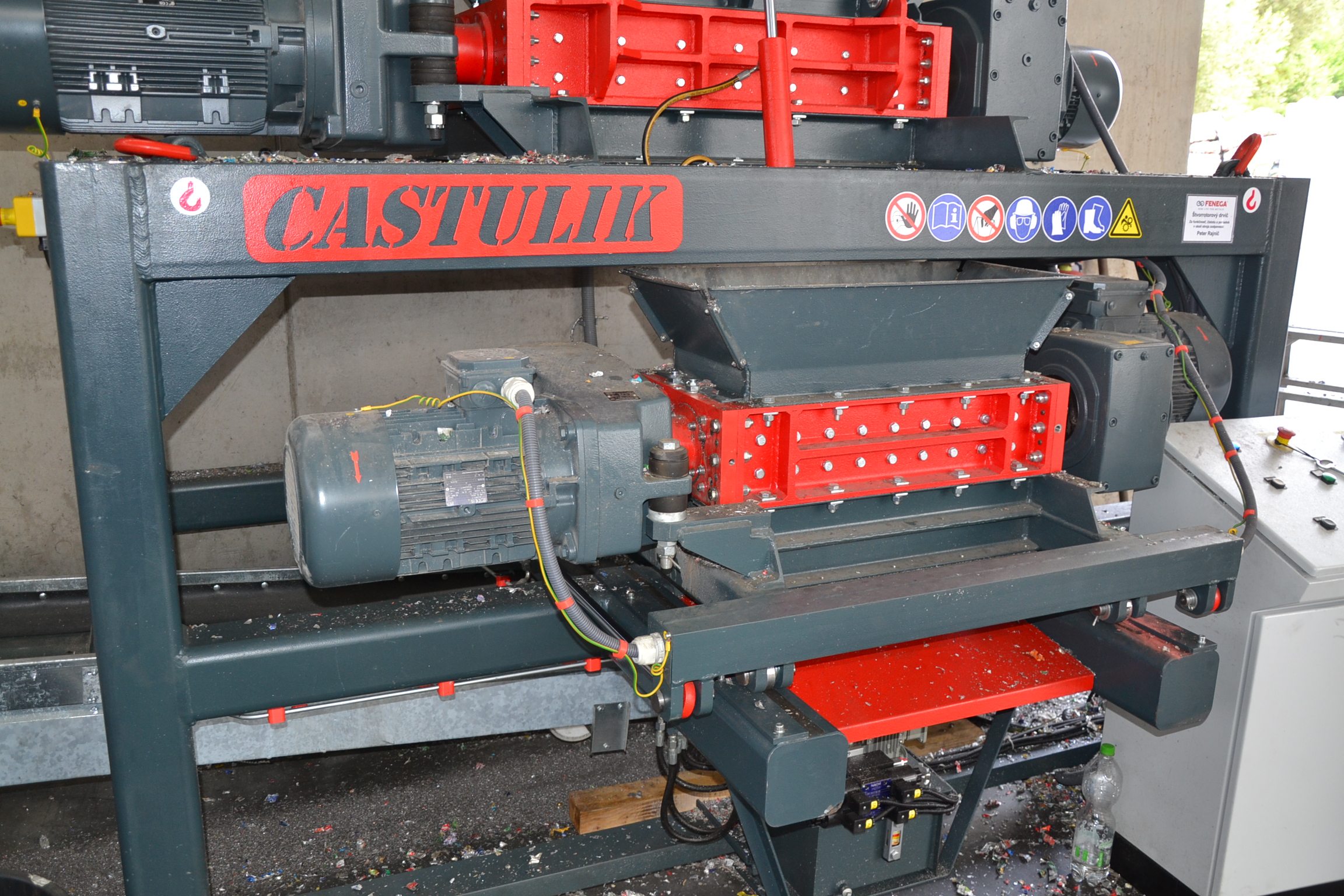
Lower shredding stage being slid out of its operating position

ARIES 160/900 – lower shredding stage configuration

ARIES 160/900 can be loaded using a front-end loader

ARIES 160/900 – a typical application: shredding aluminium drinks cans before briquetting
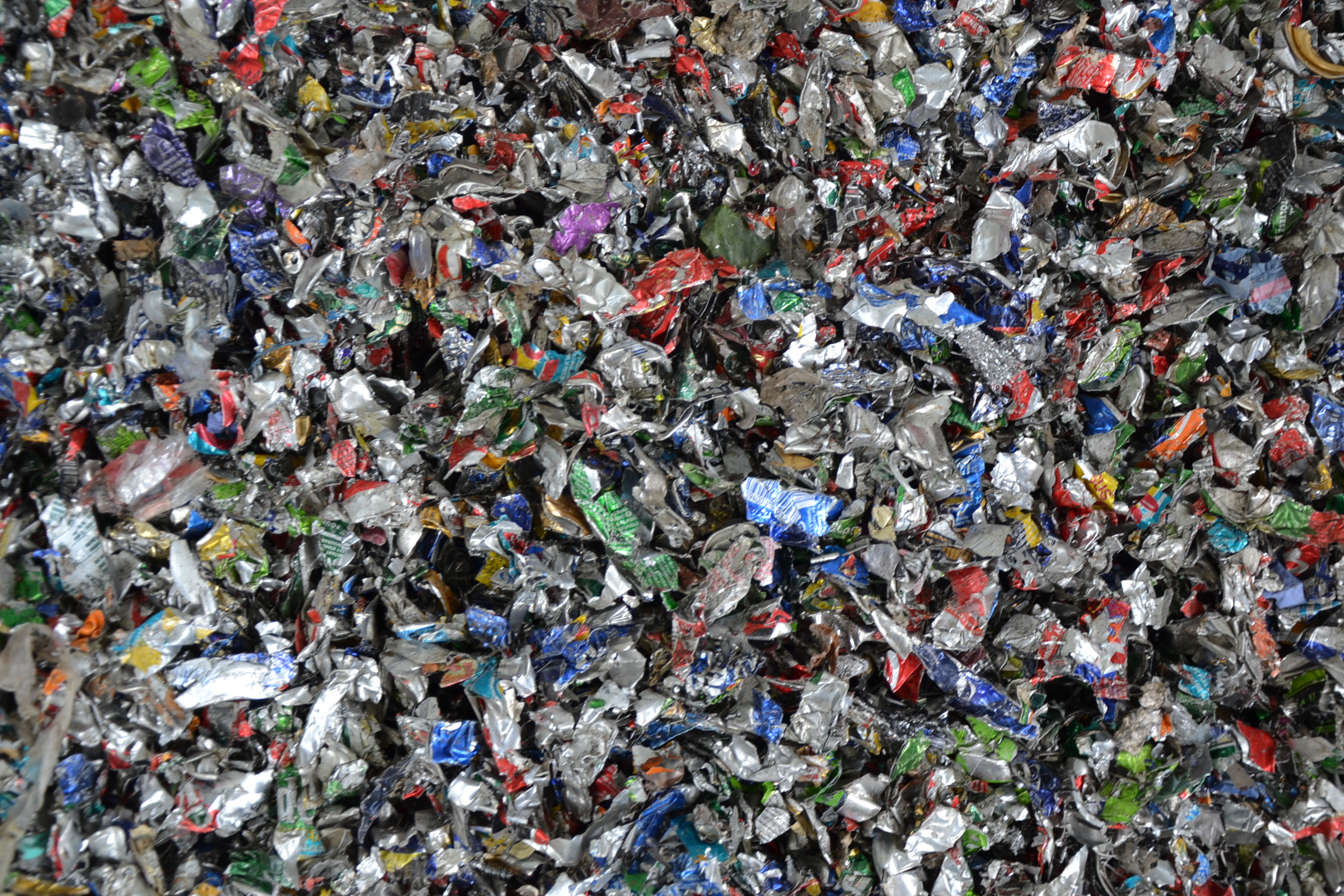
Aluminium cans shredded in the ARIES 160/900 four-shaft shredder – output suitable for briquetting
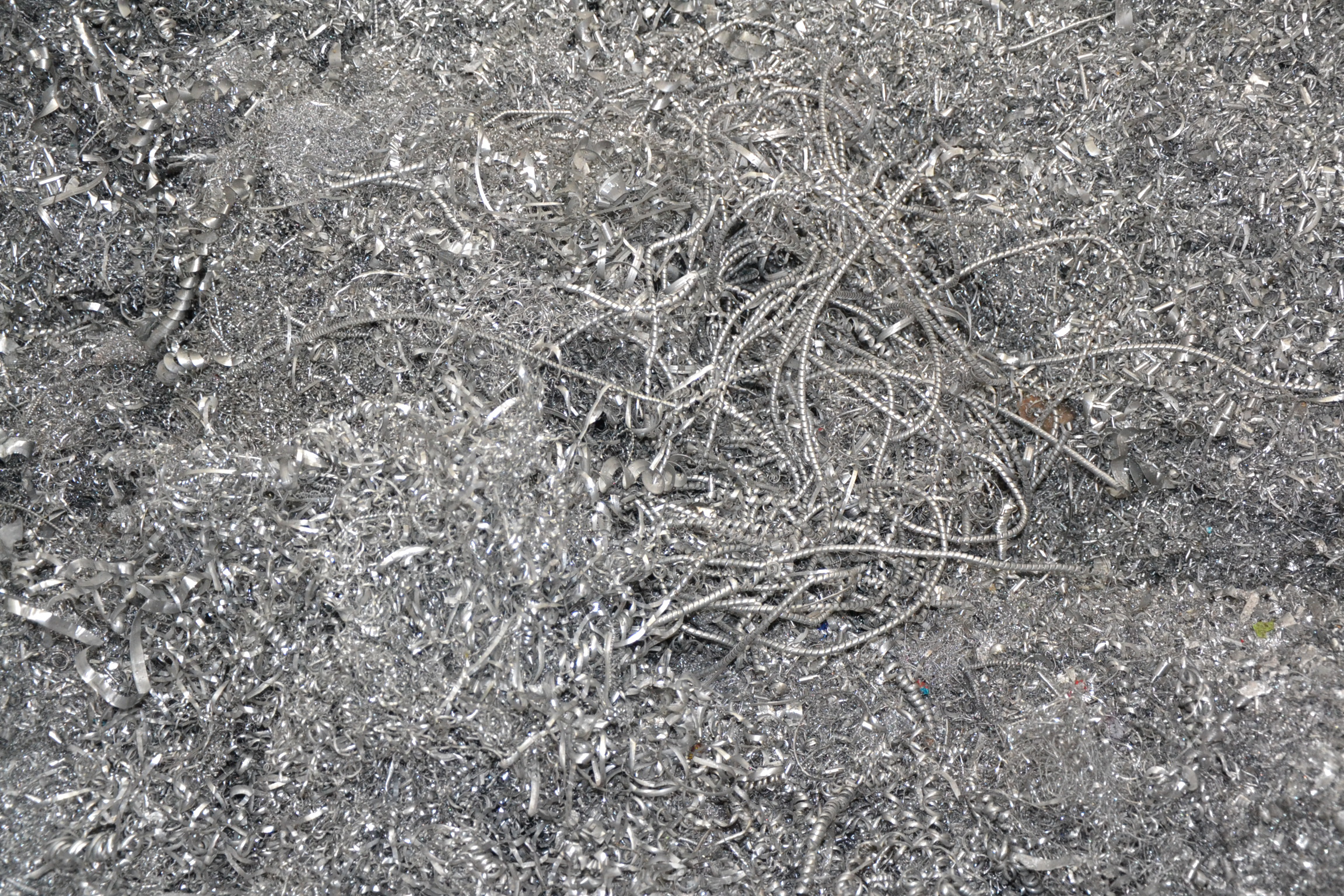
Aluminium swarf from machining operations – a typical material processed by the ARIES 160/900 four-shaft shredder
When processing industrial waste, simply tearing material apart or reducing its volume is often not enough. The shredded material must also have a sufficiently uniform output size to make it suitable for the next stage of the processing line.
The ARIES four-shaft shredder addresses this requirement with two separate shredding stages arranged vertically. Material first passes through the upper twin-shaft shredder before entering the lower stage, where it is reduced further.
The result is more controlled shredding and a more consistent output size, without the need for a separate conveyor between two shredders.
How the ARIES four-shaft shredder works
The ARIES four-shaft shredder combines two DR-series twin-shaft shredders, arranged one above the other on a shared support frame and operated by a single control system.
The material is processed in two stages:
- The upper stage grips and pre-shreds the incoming material.
- The lower stage reduces the pre-shredded material to a finer size.
The machine uses a combination of cutting, tearing and scraping to break down the material. Disc-shaped cutting tools mounted on counter-rotating shafts have teeth that grip the material and pull it into the shredding chamber, where it is progressively reduced to smaller pieces.
Why use two-stage shredding?
A single-stage shredder may be suitable when the main goal is to reduce waste volume or prepare material for further processing.
However, some applications require:
- a finer output size,
- more consistent output material,
- better liberation of individual material components,
- more consistent feeding into downstream equipment,
- fewer oversized pieces in the final output.
In these cases, a two-stage solution may be more suitable.
The upper stage handles bulky or irregularly shaped material, while the lower stage breaks down the pre-shredded material further. Each stage serves a different purpose and can be fitted with a different configuration of cutting tools.
Four shafts with independent drives
The ARIES 160/900 combines an upper DR160/900 shredder with a lower DR120/600 shredder. Each stage has two shafts, with each shaft driven by its own electric motor.
This particular ARIES 160/900 has a total installed drive power of 53.7 kW. The different shaft speeds help cut and tear the material rather than simply compressing it between the cutting tools.
What materials can a four-shaft shredder process?
Four-shaft shredders are primarily used for materials that require size reduction in two consecutive stages.
Depending on the specific configuration, suitable materials may include:
- Plastic production waste
- Plastic containers and packaging
- Plastic films
- Wood
- Textiles and carpets
- Paper and cardboard
- Rubber and leather
- Wood and wood-based panels
- Cables
- Aluminium materials
- Thin-walled metal components
- Packaging and lightweight metal waste
However, whether a particular material can be processed depends on more than just the type of material. Its dimensions, thickness, shape, strength, flexibility, temperature, moisture content and the presence of foreign objects must also be considered.
Overload protection
An industrial shredder must be able to handle situations where a particularly tough piece of material gets caught between the cutting tools or too much material builds up in the shredding chamber.
The control system monitors the load on the drives. If a preset limit is exceeded, it can stop the shafts and briefly reverse their direction of rotation. This helps release the trapped material, allowing the shredder to resume operation.
Overload protection helps protect:
- Electric motors
- Gearboxes
- Shafts
- Cutting tools
- Shredding chamber structure
However, frequent reversing indicates that the material, feeding method or machine configuration is not suitable for stable operation. The shredder should run smoothly for most of the time, rather than constantly stopping and reversing.
Easier access for maintenance
Easy access to both shredding stages is particularly important in a four-shaft shredder.
The ARIES can therefore be equipped with hydraulic mechanisms that allow operators to:
- Tilt the upper feed hopper open
- Slide out the lower shredding stage
- Access both shredding chambers
- Carry out inspections and cleaning more easily
- Gain better access when replacing cutting tools and scrapers
The shredder cannot be started while the upper feed hopper is open or the lower shredding stage is slid out. Safety sensors monitor the positions of these components.
ARIES 160/900 technical specifications
| Machine model | ARIES 160/900 |
| Total installed drive power | 53.7 kW |
| Weight | approx. 3,830 kg |
| Machine footprint | approx. 2,045 × 3,033 mm |
| Overall height | approx. 2,970 mm |
| Upper stage | DR160/900 |
| Upper shredding chamber | 910 × 400 mm |
| Lower stage | DR120/600 |
| Lower shredding chamber | 600 × 300 mm |
| Number of independent knives | 4 |
The dimensions and power ratings shown apply to this particular machine configuration. For new applications, the feed hopper, discharge chute, cutting tools, drives and accessories are tailored to the material being processed and the requirements for integrating the shredder into the processing line.
Output size depends on the material
There is no single standard output size for a four-shaft shredder.
The output size is mainly influenced by:
- Width of the cutting tools
- Number and shape of the teeth
- Arrangement of the cutting tools
- Strength and thickness of the material
- Flexibility of the material
- Size of the incoming pieces
- Consistency of material feeding
- Required throughput
The same machine can produce significantly different results when processing soft plastic film, rigid plastic components or aluminium waste.
Shredding trials before specifying a machine
Before deciding on the shredder configuration, we recommend carrying out trials using a representative sample of the material.
During the trials, we assess:
- How effectively the cutting tools grip the material
- How the material behaves inside the shredding chamber
- The load on the drives
- How often the shafts need to reverse
- How well the material passes through both shredding stages
- The size and shape of the shredded material
- Whether the output is suitable for further processing
Based on the results, we can recommend the most suitable cutting tool geometry, drive power, feeding method and how best to integrate the shredder into the existing processing line.
Looking for a four-shaft shredder for your material?
Send us photographs, dimensions and a sample of the material you need to process. We will test it and assess whether the ARIES four-shaft shredder or another type of shredding equipment would be the best fit for your application.
CASTULIK
Design and manufacture of industrial shredders since 1998
E-mail: info@castulik.co.uk
Web: www.castulik.co.uk
MKT-2026-0040
Publikované: 26. October 2026