
Shredding of animal bones

CASTULIK CANIS_300 knife mill designed for bone processing
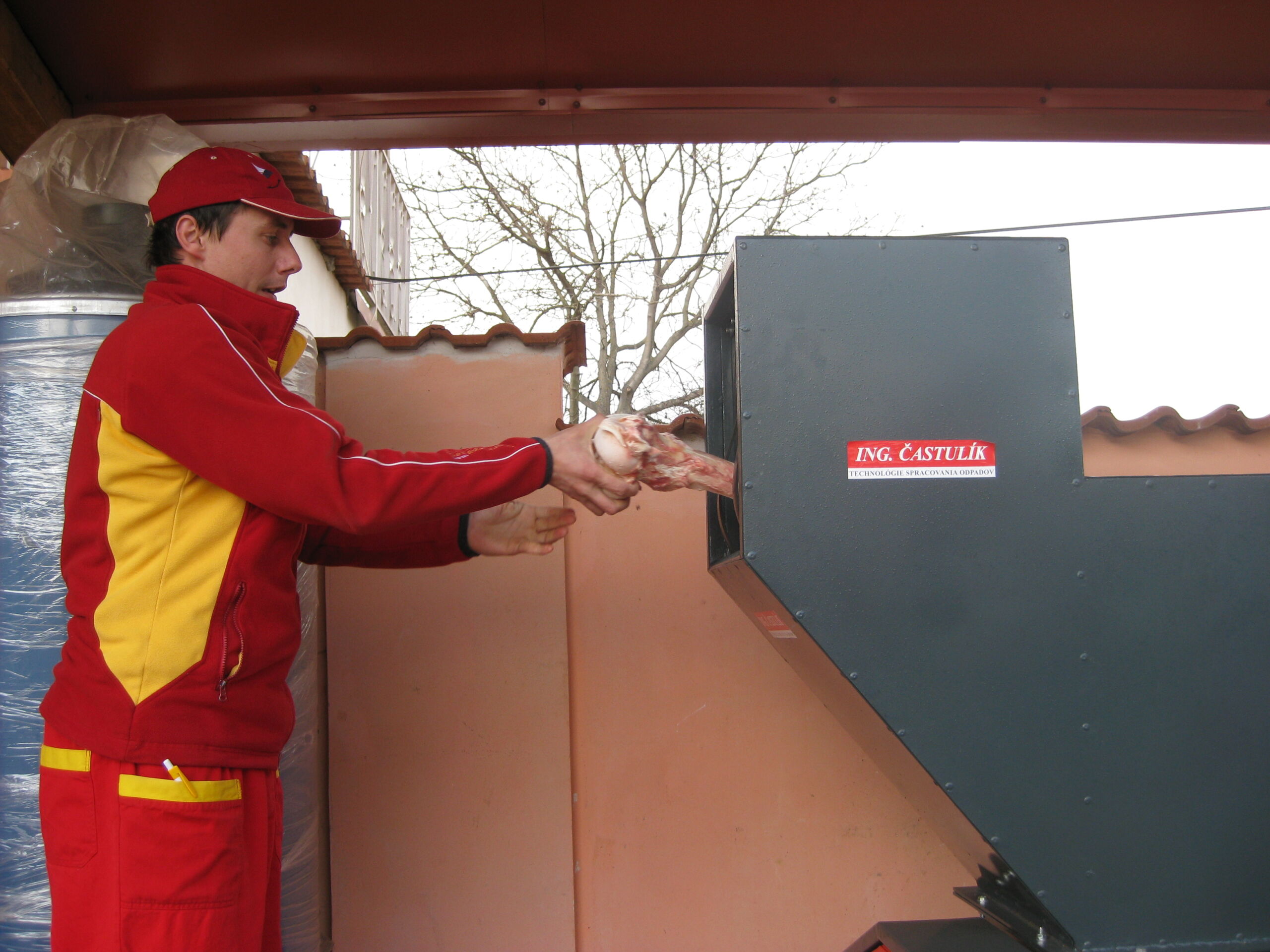
Feeding the CANIS_300 knife mill
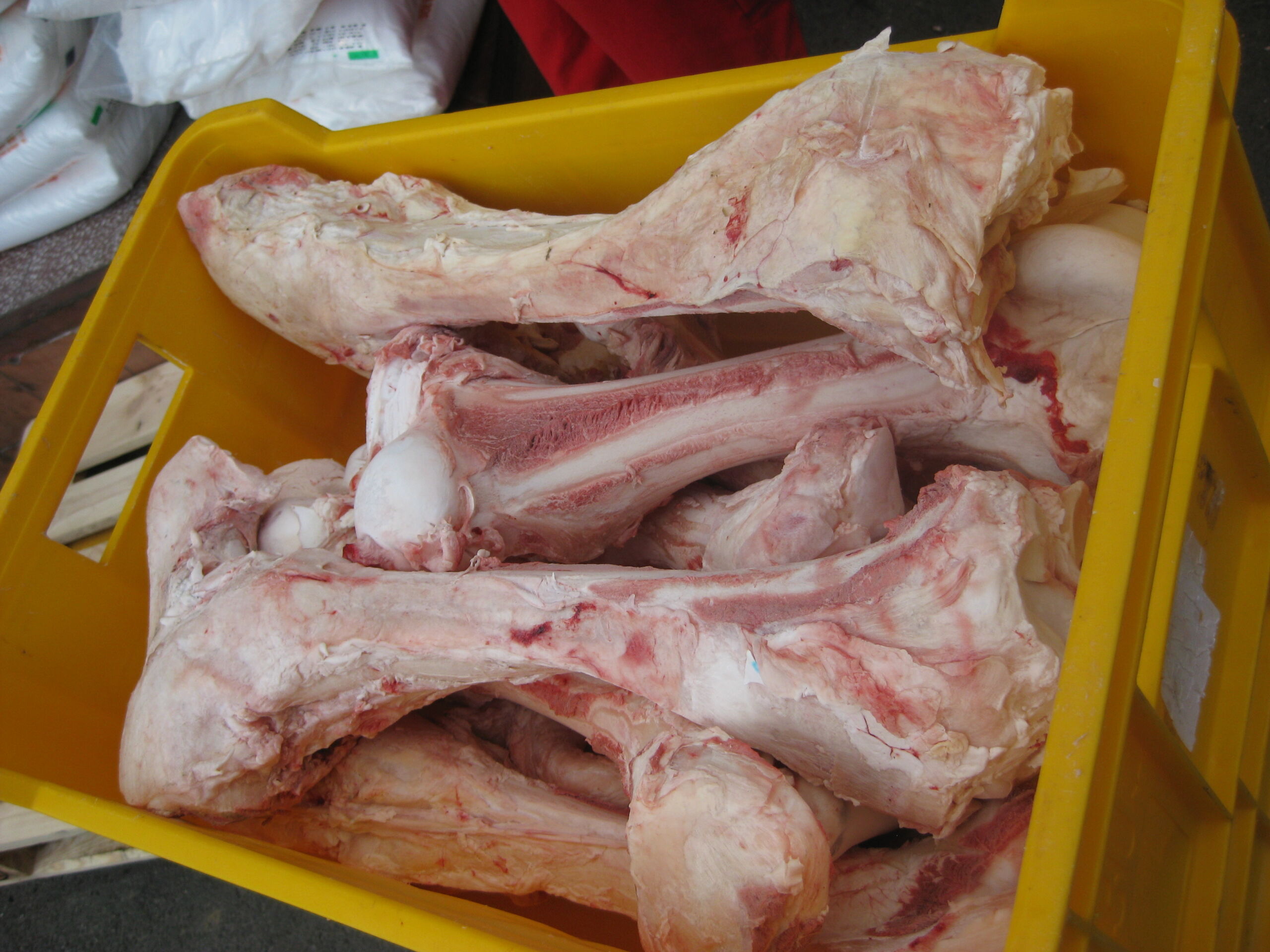
Bones before entering the CANIS_300
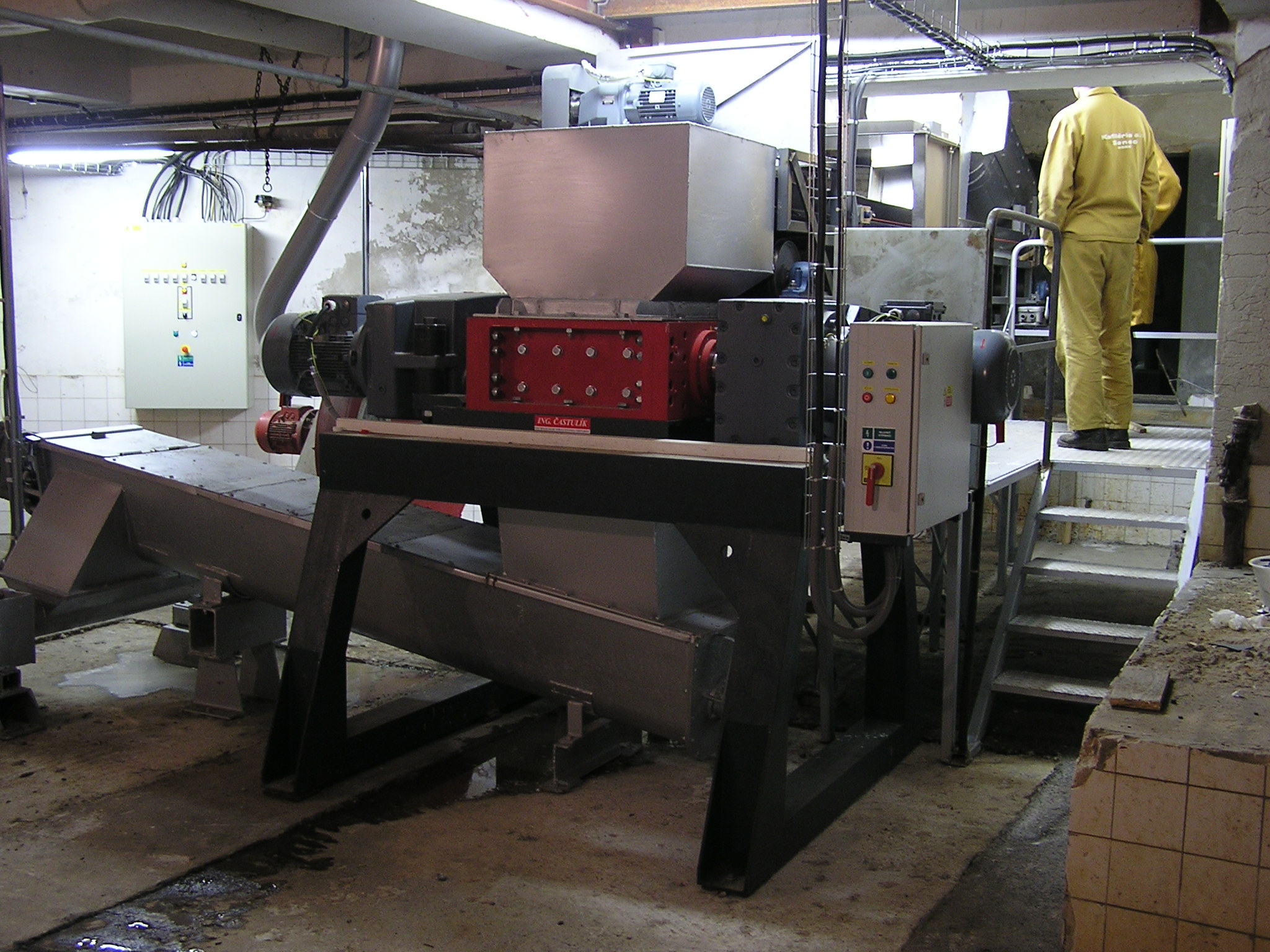
CASTULIK DR240 shredder at an animal rendering plant
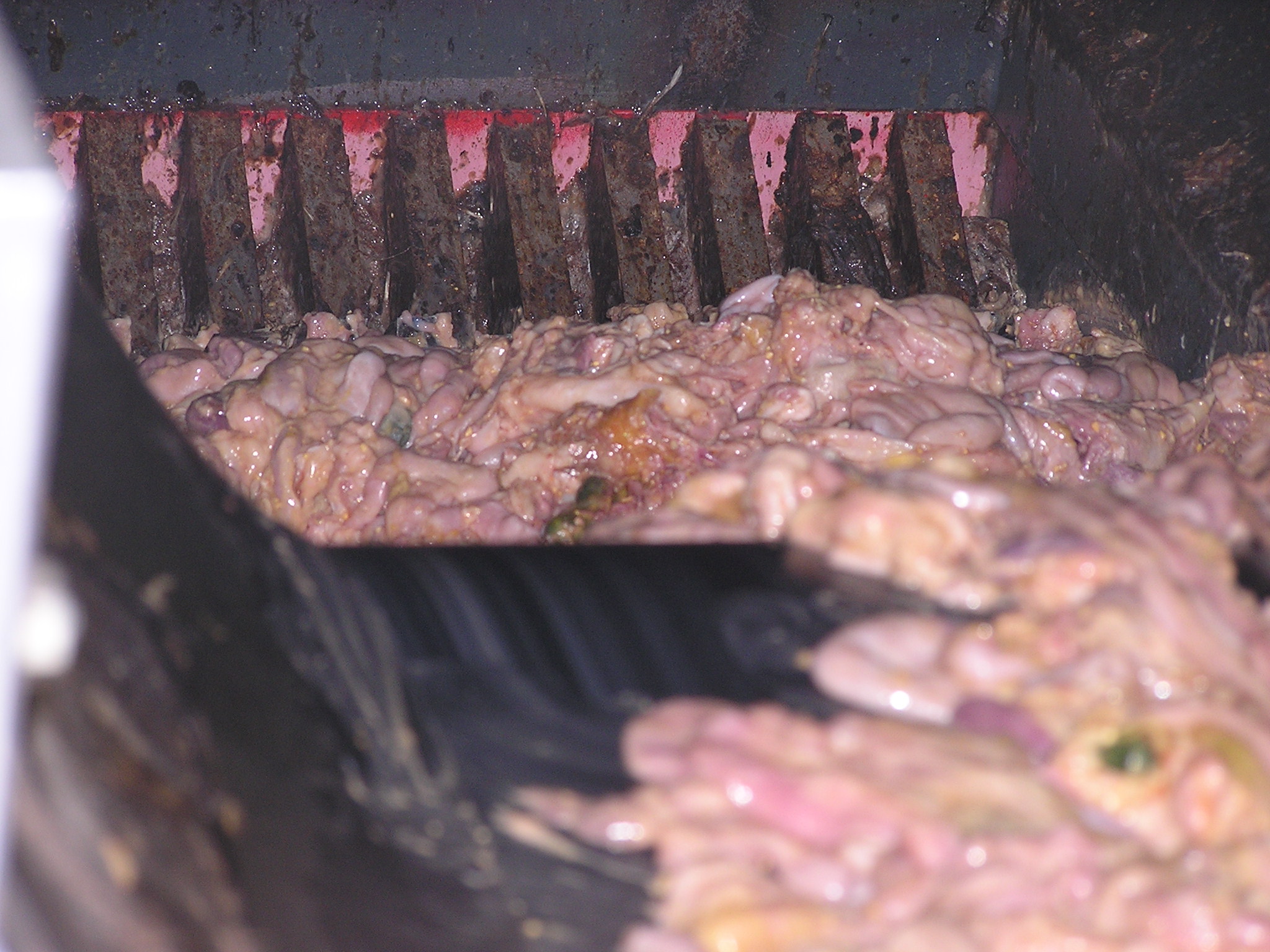
Poultry before processing at an animal rendering plant

Poultry after homogenisation in the DR240 shredder
How to turn a by-product into a valuable raw material using industrial shredders.
In the meat processing industry, bones from slaughtered animals are often regarded as an unavoidable by-product of production. In reality, however, they are a strategic raw material, and the way they are processed has a direct impact on operating costs, revenue and the long-term sustainability of a business. Industrial shredders and granulators play a key role in this process.
Bones as a raw material, not waste
Every meat processing plant generates significant quantities of bones. Without further processing, these present:
- logistical challenges,
- hygiene risks,
- disposal costs.
By contrast, mechanical pre-processing through shredding opens up opportunities for their further use in food production, animal feed, the pet food sector and technical applications.
The role of industrial shredders in animal bone processing
Industrial shredders are the first and most critical step in recovering value from bones. Their purpose is not simply to reduce the size of the material, but also to:
- achieve a controlled particle size,
- prevent the formation of sharp, hazardous fragments,
- prepare the material for further processing that can be managed effectively from both a hygiene and technological perspective.
Choosing the right type of shredder determines whether bones end up as a low-value material or become an input for a high-margin product.
Where shredders are particularly beneficial
1. Pet-food and BARF sector
In the pet food sector, particularly in BARF products, bones are:
- raw,
- finely ground,
- precisely portioned to achieve the required mineral composition.
Single-shaft shredders and knife mills can reduce soft bones (chicken, turkey and rabbit) to particles smaller than a few millimetres without producing sharp fragments. The result is a safe, homogeneous product suitable for freezing and packaging.
2. Meat and bone meal production
In the production of meat and bone meal, shredding is an essential pre-processing stage before:
- thermal sterilisation,
- drying,
- final milling.
Twin-shaft shredders or robust single-shaft shredders can handle:
- harder bones,
- higher volumes,
- continuous operation.
Proper pre-processing reduces the energy required for subsequent stages and improves the homogeneity of the final meal.
3. Technical and industrial applications
In the production of bone ash, bone char or technical fillers, shredding is essential for:
- uniform calcination,
- consistent output quality,
- efficient material handling and logistics.
The same principle applies here: controlled particle size = lower costs and higher quality.
Why bring bone shredding in-house?
For a meat processing plant, in-house bone shredding offers several advantages:
- reducing material volume directly at the point of generation,
- lowering transport costs,
- the opportunity to sell a semi-processed product rather than raw material,
- greater control over hygiene and traceability.
In many cases, the investment pays for itself in months rather than years.
Conclusion
Making use of bones from slaughtered animals is no longer a question of legislation or market availability. It is a question of technological decisions. Industrial shredders represent the critical point at which the difference is made between:
- a material that incurs disposal costs,
- and a valuable raw material for further processing.
Businesses that have established effective bone shredding and pre-processing operations benefit from:
- higher added value,
- improved production economics,
- a stronger and more stable market position.
If you see bones simply as a production residue, you are missing their potential. If you start treating them as a material suitable for controlled shredding and processing, you open the door to an entirely new production stream.
Publikované: 23. October 2026